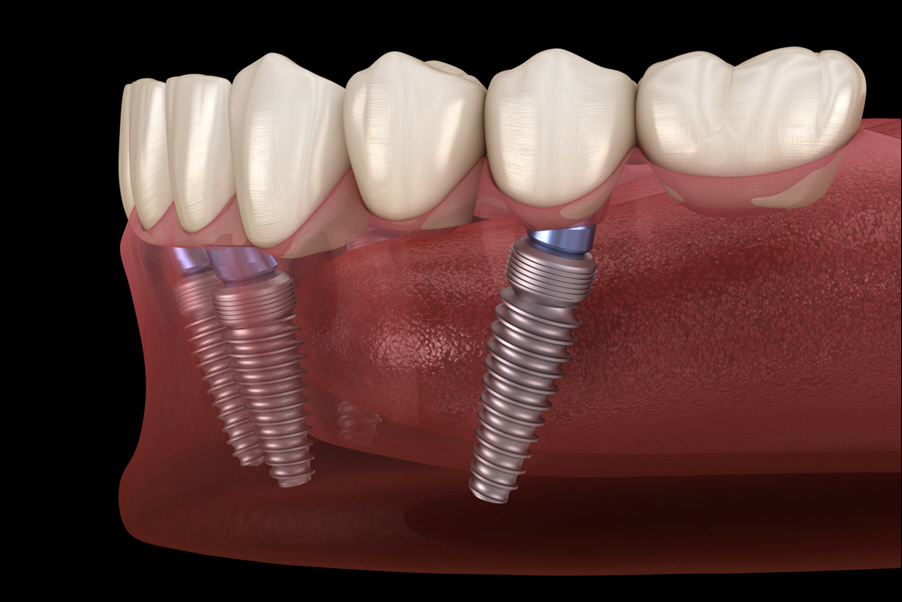
Dental implants have become a leading solution for replacing missing teeth, offering a natural look, durability, and strong functionality. The success of a dental implant relies heavily on the precision placement of the implant abutment, the part of the implant that connects the replacement tooth to the implant post. Achieving accurate placement is essential not only for the aesthetic appearance of the restoration but also for long-term functionality and patient comfort. Here’s why precision is key, and how the ISOIMPLANT™ process standardizes and ensures quality in dental implant procedures.
Importance of Precision in Abutment Placement
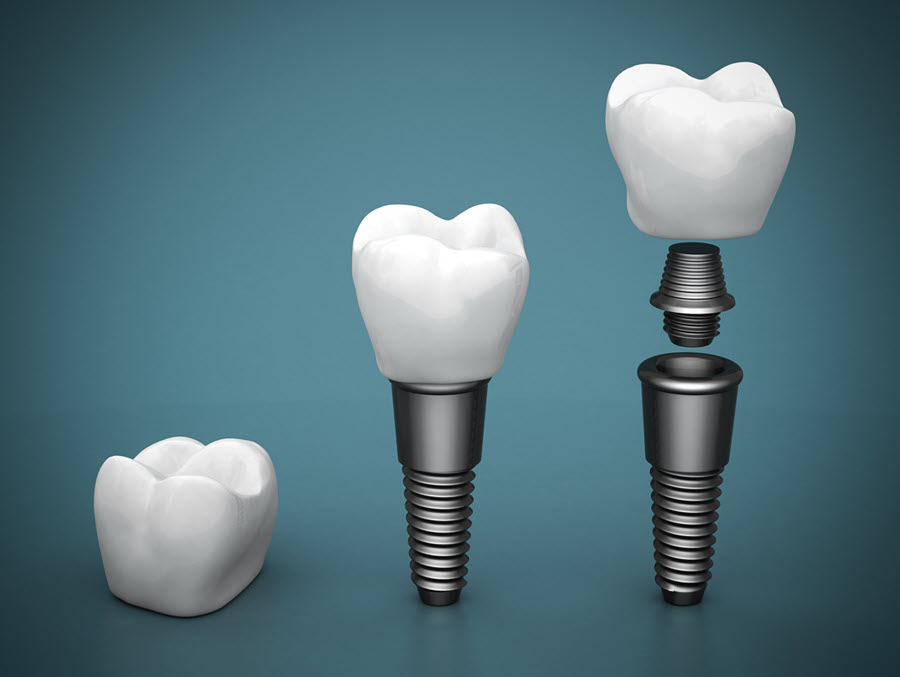
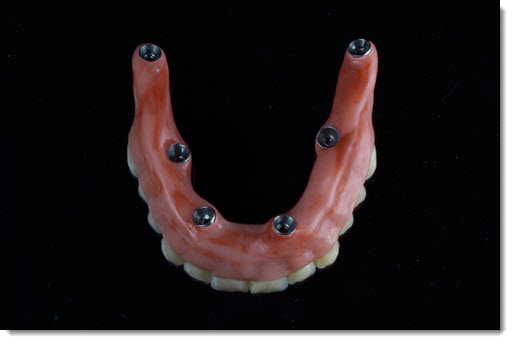 The abutment serves as the connection between the implant post anchored in the jawbone and the visible replacement tooth, making precision critical. If the abutment is misaligned, it can lead to several complications, including:
- Uneven Bite Pressure: Improper alignment affects the way bite forces are distributed, leading to undue stress on adjacent teeth and the jaw.
- Bone Loss and Gum Recession: Misplacement can create gaps between the abutment and surrounding bone, leading to tissue irritation, bone loss, and potential gum recession.
- Compromised Aesthetics: Precision placement ensures the restoration looks natural and blends seamlessly with surrounding teeth, which is especially important for front teeth.
- Patient Discomfort and Longevity of the Implant: Misalignment may lead to discomfort for the patient and reduce the implant’s lifespan, requiring additional adjustments or procedures.
How the ISOIMPLANT™ Process Ensures Standardization and Quality
ISOIMPLANT™ is a standardized system designed to guarantee precision and quality in implant procedures, giving both dental professionals and patients confidence in the outcome. Here’s how it works:
 Quality-Controlled Implant Components: ISOIMPLANT™ provides high-quality, precision-engineered implant components that meet strict standards. These components are designed to work cohesively, ensuring a precise fit and long-lasting performance.
- Standardized Placement Protocols: The process includes detailed, standardized protocols for implant placement and abutment fitting. These guidelines ensure that each step is executed with accuracy, from initial bone assessment to abutment attachment, minimizing errors and variability.
- Advanced Imaging and Planning: ISOIMPLANT™ includes the use of 3D imaging technology to assess jawbone density, position, and angulation. This imaging allows for a more accurate placement plan that can be tailored to each patient’s unique anatomy, optimizing abutment positioning.
- Enhanced Patient Outcomes: Through these standardized practices, patients benefit from a high level of consistency, reduced risk of complications, and a more natural-looking and comfortable result.
Precision in abutment placement is essential for dental implant success. The ISOIMPLANT™ process brings standardization, quality control, and advanced planning to implant procedures, enhancing outcomes for patients and creating a reliable, comfortable dental experience that patients can trust. Learn more on our FAQ page about the ISOIMPLANT standard.